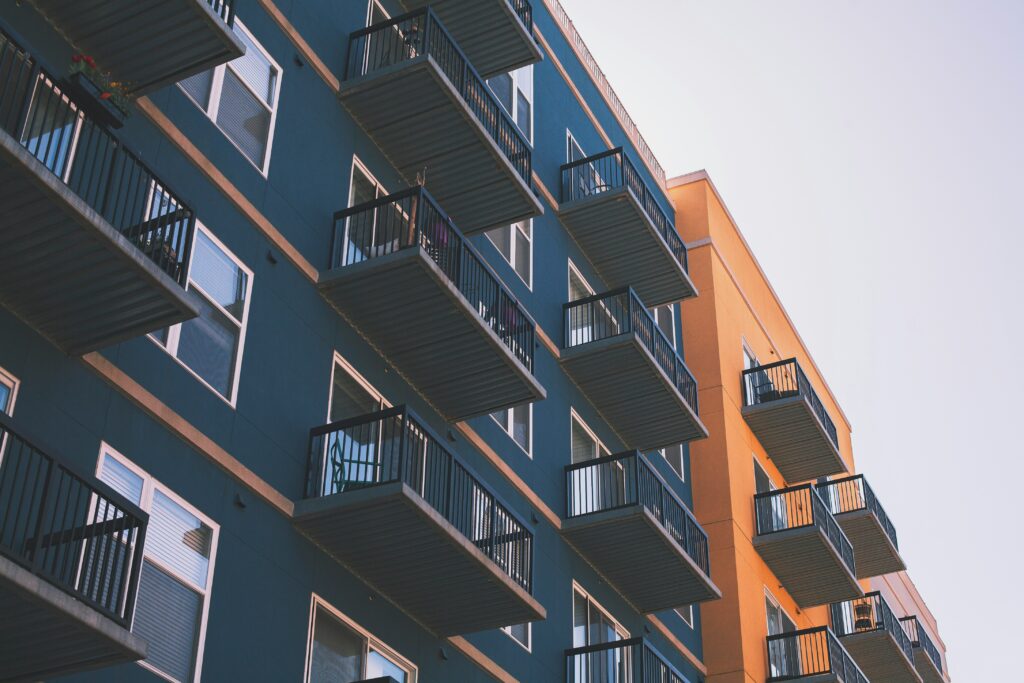
Real estate investment has always been a popular avenue for generating wealth. Over the years, investors have explored various types of properties and construction methods to maximize their returns. One particularly robust option is investing in real estate with concrete construction. Concrete has long been favored for its durability, energy efficiency, and resistance to natural disasters. This blog post will delve into the advantages of concrete construction in real estate investment, key considerations for investors, and trends shaping the future of this sector.
Advantages of Concrete Construction
Durability and Longevity
Concrete is renowned for its strength and longevity. Unlike wood, which can rot, or steel, which can rust, concrete structures are less susceptible to environmental damage. This durability translates to lower maintenance costs over the life of the property. For investors, this means more predictable expenses and potentially higher net operating income.
Energy Efficiency
Concrete buildings are more energy-efficient due to their thermal mass, which helps to maintain stable indoor temperatures. This can significantly reduce heating and cooling costs, making these properties more attractive to tenants who are increasingly seeking sustainable and cost-effective living and working spaces.
Resistance to Natural Disasters
Concrete’s resilience against natural disasters such as earthquakes, hurricanes, and floods makes it a safer and more secure investment. Properties constructed with concrete are more likely to withstand extreme weather events, which can mitigate the risks associated with property damage and insurance claims.
Fire Resistance
Concrete is non-combustible and can act as a fire barrier, providing additional safety for occupants and reducing the potential for fire damage. This fire resistance can also lead to lower insurance premiums, further enhancing the property’s attractiveness from an investment standpoint.
Key Considerations for Investors
Initial Costs vs. Long-Term Benefits
The initial construction costs for concrete buildings can be higher compared to other materials. However, investors should consider the long-term benefits, including lower maintenance costs, reduced energy bills, and potential insurance savings. A thorough cost-benefit analysis can reveal that concrete construction often leads to higher returns over time.
Market Demand
Investors should assess the demand for concrete buildings in their target markets. In areas prone to natural disasters or where sustainability is a significant concern, there may be a higher demand for concrete properties. Understanding local market trends and preferences is crucial for making informed investment decisions.
Regulatory Environment
Different regions have varying building codes and regulations that can impact the feasibility and cost of concrete construction. Investors should familiarize themselves with local regulations and ensure their projects comply with all relevant standards. Engaging with experienced contractors and consultants who understand these regulations can help streamline the process.
Financing Options
Securing financing for concrete construction projects can sometimes be challenging due to the higher upfront costs. However, many financial institutions recognize the long-term benefits and may offer favorable terms for well-planned projects. Investors should explore various financing options and work with lenders who understand the nuances of concrete construction.
Trends Shaping the Future of Concrete Construction in Real Estate
Sustainability and Green Building
The push for sustainability in real estate is driving innovation in concrete construction. Modern concrete production methods aim to reduce the material’s carbon footprint. For example, the use of supplementary cementitious materials (SCMs) like fly ash and slag can lower the environmental impact of concrete production. Additionally, advancements in carbon capture and storage (CCS) technologies are making it possible to create carbon-neutral concrete.
Investors who prioritize sustainability can benefit from these advancements by developing properties that appeal to environmentally conscious tenants and buyers. Green building certifications, such as LEED (Leadership in Energy and Environmental Design), can further enhance the marketability and value of concrete properties.
Prefabrication and Modular Construction
Prefabrication and modular construction techniques are gaining popularity in the real estate sector, including concrete construction. These methods involve manufacturing building components off-site in controlled environments and then assembling them on-site. This approach can significantly reduce construction time and costs while maintaining high-quality standards.
For investors, prefabrication and modular construction offer the potential for faster project completion and quicker returns on investment. Additionally, these methods can minimize disruptions to surrounding areas, which is particularly beneficial in urban settings.
Technological Advancements
Technological advancements are transforming the concrete construction industry. Innovations such as 3D printing of concrete structures and the use of self-healing concrete are pushing the boundaries of what is possible. 3D printing allows for the rapid and cost-effective creation of complex structures, while self-healing concrete can automatically repair cracks, extending the lifespan of buildings.
Investors who stay abreast of these technological developments can leverage them to create unique and resilient properties that stand out in the market. Collaborating with forward-thinking architects and engineers can help bring these cutting-edge solutions to life.
Urbanization and Infrastructure Development
The ongoing trend of urbanization is driving demand for robust infrastructure and housing in cities worldwide. Concrete construction is well-suited to meet this demand due to its strength, durability, and versatility. High-rise residential and commercial buildings, as well as essential infrastructure like bridges and highways, are increasingly being constructed with concrete.
Investors can capitalize on urbanization trends by focusing on projects that address the needs of growing urban populations. Mixed-use developments that combine residential, commercial, and recreational spaces are particularly attractive, as they offer diverse revenue streams and cater to the lifestyle preferences of modern city dwellers.
Conclusion
Investing in real estate with concrete construction offers numerous advantages, from durability and energy efficiency to resilience against natural disasters. While the initial costs may be higher, the long-term benefits often outweigh these expenses, leading to higher returns and more stable investments. By staying informed about market demand, regulatory environments, financing options, and emerging trends, investors can make strategic decisions that capitalize on the strengths of concrete construction. As the real estate industry continues to evolve, concrete construction remains a solid foundation for building a prosperous investment portfolio.