
Welcome to Maximizing Returns: Insider Tips for Successful Real Estate Investment, your go-to resource for all things related to real estate investment, management, and construction. Whether you’re a seasoned investor or just starting your journey, our blog is designed to provide you with the knowledge and tools you need to maximize your returns.
About Us
Based in the vibrant city of Denver, CO, our team of experts specializes in real estate investment, property management, and construction. With years of experience in the industry, we have a deep understanding of the Denver real estate market and beyond. Our mission is to help you navigate the complexities of real estate investment, offering insider tips and strategies to ensure your success.
Why Real Estate Investment?
Real estate investment offers numerous benefits, from generating passive income to building long-term wealth. Our blog covers a wide range of topics to help you make informed decisions, including:
– Market Analysis: Stay updated with the latest trends and insights in the real estate market.
– Investment Strategies: Learn about various investment strategies that can help you maximize returns.
– Property Management Tips: Discover effective property management practices to enhance your investment’s profitability.
– Construction Insights: Get expert advice on construction projects, from renovations to new builds.
What We Offer
– Expert Advice: Our team shares valuable tips and insider knowledge to help you succeed in real estate investment.
– Comprehensive Guides: Step-by-step guides on everything from buying your first property to managing a real estate portfolio.
– Market Trends: Stay ahead of the curve with our in-depth market analysis and forecasts.
– Success Stories: Read inspiring stories of investors who have achieved significant returns through real estate.
Start Your Journey Today
Whether you’re looking to invest in residential or commercial properties, our blog is here to guide you every step of the way. Dive into our articles, explore our resources, and start maximizing your returns in the real estate market today.
Welcome to Maximizing Returns: Insider Tips for Successful Real Estate Investment – your trusted partner in real estate success!
- Boosting Real Estate Investments with Foam Insulation: Maximizing Efficiency and Value

Real estate investment is a lucrative and strategic way to build wealth, but ensuring the profitability and sustainability of your investment properties is crucial. One of the most effective ways to enhance the value and efficiency of real estate investments is by incorporating foam insulation. This advanced insulation material offers numerous benefits, from energy efficiency and cost savings to improved comfort and environmental impact. This blog post explores how foam insulation can significantly boost your real estate investments, detailing its advantages, applications, and practical tips for implementation.
The Importance of Energy Efficiency in Real Estate Investments
Energy efficiency plays a pivotal role in real estate investment, impacting both the short-term operational costs and long-term value of a property. Efficient properties are more attractive to potential tenants and buyers, offering lower utility bills and a reduced environmental footprint. Foam insulation is a key component in achieving these efficiencies, making properties more sustainable and profitable.
Understanding Foam Insulation
Foam insulation is a high-performance material that expands and hardens after application, providing superior thermal resistance and air sealing capabilities. It comes in two primary forms: spray foam insulation and rigid foam board insulation.
Spray Foam Insulation
Spray foam insulation is applied as a liquid that expands into a foam, filling gaps and creating an airtight seal. It is available in two varieties:
- Open-Cell Spray Foam: Less dense and more flexible, effective for soundproofing and thermal insulation in less critical areas.
- Closed-Cell Spray Foam: Denser and more rigid, offering higher R-value and moisture resistance, making it ideal for areas exposed to harsher conditions.
Rigid Foam Board Insulation
Rigid foam board insulation consists of pre-formed boards made from materials such as polystyrene, polyisocyanurate, or polyurethane. These boards provide high insulating values and are commonly used in walls, roofs, and foundations to create a continuous insulation layer that minimizes thermal bridging.
Benefits of Foam Insulation for Real Estate Investments
Foam insulation offers several advantages that make it a valuable asset for real estate investors:
Enhanced Energy Efficiency
Foam insulation’s high R-value per inch provides superior thermal resistance, helping maintain consistent indoor temperatures. This reduces the need for heating and cooling, leading to significant energy savings and lower utility bills for tenants or owners.
Example: A multi-family property insulated with spray foam can experience up to a 50% reduction in energy costs, making it more attractive to potential tenants and increasing its marketability.
Improved Comfort and Air Quality
Foam insulation eliminates drafts, cold spots, and temperature fluctuations, creating a consistently comfortable indoor environment. It also acts as a barrier to pollutants and allergens, improving indoor air quality and promoting a healthier living space.
Example: Insulating the walls and ceilings of a rental property with open-cell spray foam can create a quieter and more comfortable living environment, enhancing tenant satisfaction and retention.
Moisture Control and Mold Prevention
Closed-cell spray foam insulation acts as a moisture barrier, preventing water infiltration and reducing the risk of mold and mildew growth. This is particularly important in areas with high humidity or significant rainfall.
Example: A commercial property insulated with closed-cell spray foam is better protected against moisture-related issues, ensuring a healthier environment for occupants and reducing maintenance costs for the owner.
Increased Structural Integrity
Closed-cell spray foam adds rigidity to walls and roofs, enhancing the structural integrity of the building. This can be especially beneficial in areas prone to high winds, heavy snow, or other severe weather conditions.
Example: Homes insulated with closed-cell spray foam are better equipped to withstand harsh conditions, reducing the risk of damage and associated repair costs.
Applications of Foam Insulation in Real Estate Investments
Foam insulation can be applied in various parts of a property to enhance performance and value:
Walls
Both spray foam and rigid foam board insulation can be used in exterior and interior walls to create a well-insulated building envelope. Spray foam is particularly effective in sealing gaps and cracks, while rigid foam boards provide continuous insulation and reduce thermal bridging.
Example: Retrofitting the walls of an older apartment building with spray foam insulation improves energy efficiency and comfort, making the units more appealing to potential tenants.
Roofs and Attics
Insulating the roof and attic with foam insulation helps maintain consistent temperatures throughout the building and prevents heat loss during winter and heat gain during summer. Spray foam can be applied directly to the underside of the roof deck, creating an airtight seal and enhancing energy efficiency.
Example: An attic converted into a living space with spray foam insulation stays warm in winter and cool in summer, providing a comfortable and usable area that increases the property’s value.
Basements and Crawl Spaces
Foam insulation is ideal for basements and crawl spaces due to its moisture resistance and ability to create an airtight seal. Closed-cell spray foam is particularly effective in these areas, preventing moisture infiltration and reducing the risk of mold growth.
Example: Insulating the crawl spaces of a rental property with closed-cell spray foam ensures dry and healthy living environments, reducing the likelihood of mold-related health issues and structural damage.
Exterior Applications
Rigid foam board insulation can be installed on the exterior of a property’s frame to create a continuous insulation layer. This method reduces thermal bridging and enhances the overall energy efficiency of the building.
Example: A commercial building retrofitted with rigid foam board insulation on its exterior walls boasts improved energy performance and reduced heat loss, contributing to lower utility bills and a more comfortable indoor environment.
Practical Tips for Implementing Foam Insulation in Real Estate Investments
To maximize the benefits of foam insulation for real estate investments, it’s important to follow best practices and ensure proper installation:
Choose the Right Type of Foam
Select the appropriate type of foam insulation based on the specific needs of the property. Open-cell spray foam is ideal for interior applications and soundproofing, while closed-cell spray foam and rigid foam boards are better suited for areas requiring high R-values and moisture resistance.
Tip: Consult with a professional insulation contractor to determine the best type of foam insulation for your property.
Ensure Proper Installation
Proper installation is crucial for maximizing the benefits of foam insulation. Hire experienced and certified installers who understand the intricacies of applying spray foam and installing rigid foam boards.
Tip: Request references and check reviews to find reputable insulation contractors with a proven track record of quality work.
Plan for Ventilation
While foam insulation creates an airtight seal, proper ventilation is still necessary to maintain indoor air quality. Plan for adequate ventilation systems to prevent issues related to air quality and moisture.
Tip: Consider installing mechanical ventilation systems, such as heat recovery ventilators (HRVs), to ensure a healthy indoor environment.
Real-World Examples of Foam Insulation in Real Estate Investments
Urban Apartment Complex
An urban apartment complex in New York City was renovated using spray foam insulation in the walls and ceilings. The transformation resulted in improved thermal comfort, reduced noise levels, and enhanced energy efficiency. The added soundproofing created a quieter living environment, increasing tenant satisfaction and reducing turnover rates.
Suburban Single-Family Home
A suburban single-family home in Texas was retrofitted with closed-cell spray foam insulation in the walls, roof, and basement. The insulation provided excellent thermal resistance and moisture control, ensuring the home remained comfortable and dry throughout the year. The increased energy efficiency and improved indoor air quality made the property more appealing to potential buyers.
Commercial Office Building
A commercial office building in California incorporated rigid foam board insulation into its exterior walls and closed-cell spray foam in the attic and crawl spaces. The insulation provided superior thermal performance and moisture control, preserving the building’s structural integrity while enhancing comfort and energy efficiency. The result was a modern, efficient office space that attracted high-quality tenants and increased the property’s market value.
Conclusion
Foam insulation is a transformative tool for enhancing the energy efficiency, comfort, and value of real estate investments. By providing superior thermal regulation, noise reduction, and moisture control, foam insulation creates an environment where properties are more attractive to tenants and buyers, ensuring higher returns on investment. Whether used in walls, roofs, basements, or exterior applications, foam insulation offers long-lasting benefits that enhance the overall functionality and appeal of any property. As the demand for high-quality, energy-efficient real estate continues to grow, foam insulation will play a crucial role in shaping the future of real estate investment and development.
- Mastering Real Estate Management: Strategies for Success

Real estate management is an intricate field that demands a unique blend of skills, from financial acumen and strategic planning to effective communication and customer service. Whether you’re managing residential properties, commercial buildings, or a mix of both, mastering real estate management is crucial for maximizing returns and ensuring tenant satisfaction. This blog post delves into the key strategies for successful real estate management, exploring best practices, common challenges, and emerging trends that every property manager should know.
The Foundations of Real Estate Management
At its core, real estate management involves overseeing properties to ensure they are well-maintained, occupied, and generating revenue. Effective management requires a comprehensive understanding of various aspects of real estate, including leasing, maintenance, tenant relations, and financial management.
Leasing and Marketing
One of the primary responsibilities of a property manager is to keep properties occupied by attracting and retaining tenants. This begins with effective marketing strategies. Utilizing online platforms, social media, and local advertising can help reach potential tenants. High-quality photos, virtual tours, and detailed listings are essential for showcasing the property’s features and attracting interest.
Once potential tenants are interested, the leasing process involves screening applications, conducting background checks, and negotiating lease terms. A thorough vetting process ensures that reliable and responsible tenants occupy the property, reducing the risk of late payments and property damage.
Maintenance and Repairs
Regular maintenance and timely repairs are vital for preserving property value and ensuring tenant satisfaction. Implementing a proactive maintenance schedule can prevent minor issues from becoming major problems. This includes regular inspections, routine upkeep of common areas, and prompt attention to repair requests.
Working with reliable contractors and service providers is essential. Building a network of trusted professionals can ensure that maintenance tasks are completed efficiently and to a high standard. Additionally, employing property management software can streamline maintenance requests and track the progress of repairs.
Tenant Relations
Maintaining positive tenant relations is crucial for long-term occupancy and reducing turnover rates. Clear and open communication is key. Property managers should be accessible and responsive to tenant inquiries and concerns. Regular check-ins and surveys can help gauge tenant satisfaction and identify areas for improvement.
Establishing community-building activities can also enhance tenant relations. Organizing events such as holiday parties, fitness classes, or community clean-up days can foster a sense of community and make tenants feel more connected to their living environment.
Financial Management
Effective financial management is fundamental to successful real estate management. This includes budgeting, accounting, and financial reporting. Property managers must ensure that rent is collected on time, expenses are monitored, and financial records are accurately maintained.
Creating a detailed budget helps in planning for operational costs, maintenance, and unexpected expenses. Regular financial reporting provides insights into the property’s performance and aids in making informed decisions. Utilizing property management software can simplify financial tracking and ensure transparency.
Overcoming Common Challenges
Real estate management is not without its challenges. From dealing with difficult tenants to navigating regulatory changes, property managers must be prepared to address a variety of issues.
Handling Difficult Tenants
Managing difficult tenants is one of the most challenging aspects of property management. Issues such as late payments, property damage, and disturbances can arise. Establishing clear lease agreements and enforcing policies consistently can help mitigate these problems. In cases where issues persist, it’s important to follow legal procedures for eviction to protect the property and other tenants.
Regulatory Compliance
Keeping up with local, state, and federal regulations is crucial for property managers. This includes understanding landlord-tenant laws, safety codes, and fair housing regulations. Staying informed about regulatory changes and ensuring compliance can prevent legal issues and fines. Engaging with a legal advisor or attending industry seminars can help property managers stay current with regulatory requirements.
Market Fluctuations
Real estate markets are subject to fluctuations, which can impact property values and rental income. Property managers must be adaptable and proactive in responding to market changes. Conducting regular market analysis can help in adjusting rental rates and marketing strategies to stay competitive. Diversifying property portfolios can also mitigate the impact of market volatility.
Embracing Technology and Innovation
The real estate management industry is rapidly evolving, with technology playing a significant role in streamlining operations and enhancing efficiency. Embracing technological innovations can provide a competitive edge and improve property management practices.
Property Management Software
Property management software has become an indispensable tool for modern property managers. These platforms offer a range of features, including tenant screening, lease management, maintenance tracking, and financial reporting. Utilizing such software can automate routine tasks, reduce administrative burdens, and provide valuable insights into property performance.
Smart Home Technology
Integrating smart home technology can enhance the appeal of properties and improve tenant satisfaction. Features such as smart locks, thermostats, and security systems offer convenience and increased control over the living environment. For property managers, these technologies can provide real-time data on property conditions and streamline maintenance processes.
Virtual Tours and Online Leasing
The COVID-19 pandemic accelerated the adoption of virtual tours and online leasing. These technologies allow potential tenants to view properties and complete leasing processes remotely, making it easier to attract and secure tenants. Continuing to offer these options can broaden the tenant pool and streamline the leasing process.
Future Trends in Real Estate Management
As the real estate management industry continues to evolve, staying ahead of emerging trends is crucial for long-term success.
Sustainability and Green Building
Sustainability is becoming increasingly important in real estate management. Tenants are seeking environmentally friendly living spaces, and property managers can respond by implementing green building practices. This includes energy-efficient appliances, sustainable materials, and waste reduction programs. Not only do these practices appeal to eco-conscious tenants, but they can also result in cost savings through reduced utility expenses.
Data-Driven Decision Making
Data analytics is transforming the way property managers make decisions. By leveraging data on tenant behavior, market trends, and property performance, managers can make informed choices that optimize operations and improve profitability. Advanced analytics tools can provide insights that were previously unavailable, enabling more strategic planning and management.
Enhancing Tenant Experiences
The focus on tenant experience is set to grow, with property managers seeking new ways to enhance living environments. This includes personalized services, improved amenities, and a greater emphasis on community building. Creating positive tenant experiences can lead to higher retention rates and positive word-of-mouth referrals.
Conclusion
Mastering real estate management requires a multifaceted approach that encompasses effective leasing, proactive maintenance, positive tenant relations, and robust financial management. By overcoming common challenges and embracing technological innovations, property managers can enhance their operations and maximize returns. As the industry continues to evolve, staying informed about emerging trends and adapting to changing tenant needs will be key to long-term success. Whether managing residential or commercial properties, the strategies outlined in this post can help property managers navigate the complexities of real estate management and achieve excellence in their field.
- Solid Foundations: Denver’s Premier Concrete Construction Company

Denver, Colorado, a city known for its stunning mountain views and vibrant urban landscape, is also home to one of the leading concrete construction companies in the region. Solid Foundations, Inc., with its principal offices in the heart of Denver, has made a significant impact on the city’s skyline and infrastructure. This blog post explores the journey of Solid Foundations, Inc., its contributions to Denver’s construction industry, and the innovative practices that set it apart in the field of concrete construction.
The Origins of Solid Foundations, Inc.
Solid Foundations, Inc. was established by a group of visionary engineers and construction experts who saw the potential for concrete to revolutionize the construction industry. From its inception, the company has been committed to excellence, innovation, and sustainability. Their goal was to create a construction firm that not only delivered high-quality concrete contractor structures but also set new standards in the industry.
Excellence in Concrete Construction
Concrete is a versatile and durable building material, making it a popular choice for various construction projects. Solid Foundations, Inc. has harnessed these qualities to create structures that are both aesthetically pleasing and structurally sound. Their portfolio includes residential, commercial, and infrastructure projects that highlight the company’s expertise and dedication to quality.
Residential Projects
In the residential sector, Solid Foundations, Inc. has built everything from single-family homes to large apartment complexes. Their residential projects are characterized by modern designs, energy-efficient features, and superior craftsmanship. The company’s attention to detail ensures that every home is built to last, providing a safe and comfortable environment for its occupants.
Commercial Developments
Solid Foundations, Inc. has played a crucial role in shaping Denver’s commercial landscape. They have constructed office buildings, retail spaces, and mixed-use developments that cater to the growing needs of the city’s businesses. These projects are designed to be functional and flexible, allowing businesses to thrive in a dynamic urban environment.
Infrastructure Projects
Infrastructure is the backbone of any city, and Solid Foundations, Inc. has been instrumental in building and maintaining Denver’s critical infrastructure. From bridges and highways to public transportation systems, the company’s infrastructure projects are designed to enhance connectivity and support the city’s growth.
Innovation in Concrete Construction
One of the key factors that set Solid Foundations, Inc. apart is its commitment to innovation. The company continually explores new technologies and techniques to improve the quality and efficiency of its projects. This forward-thinking approach has made Solid Foundations, Inc. a leader in the concrete construction industry.
Advanced Concrete Technologies
Solid Foundations, Inc. utilizes advanced concrete technologies to ensure the highest standards of quality and durability. This includes the use of high-performance concrete mixes, which provide greater strength and longevity compared to traditional mixes. The company also employs techniques such as post-tensioning and pre-stressing to enhance the structural integrity of their projects.
Sustainability Initiatives
Sustainability is at the core of Solid Foundations, Inc.’s mission. The company is committed to reducing its environmental impact through sustainable construction practices. This includes using recycled materials, minimizing waste, and implementing energy-efficient construction methods. Additionally, Solid Foundations, Inc. incorporates green building technologies, such as insulated concrete forms (ICFs) and pervious concrete, to create eco-friendly structures.
Building a Strong Community
Beyond its construction projects, Solid Foundations, Inc. is dedicated to building a strong and vibrant community in Denver. The company actively engages with local organizations and initiatives to support the city’s growth and development.
Community Engagement
Solid Foundations, Inc. believes in giving back to the community. The company supports local charities, sponsors community events, and participates in initiatives that promote education and workforce development. By fostering strong relationships with local stakeholders, Solid Foundations, Inc. contributes to the overall well-being of the Denver community.
Workforce Development
The success of Solid Foundations, Inc. is built on the skills and dedication of its workforce. The company invests in the professional development of its employees through training programs, apprenticeships, and continuing education opportunities. This commitment to workforce development ensures that Solid Foundations, Inc. maintains a team of highly skilled and motivated professionals.
Client Testimonials and Success Stories
The true measure of Solid Foundations, Inc.’s success lies in the satisfaction of its clients. Over the years, the company has received numerous accolades and positive feedback from homeowners, business owners, and public officials who have benefited from their services.
A Landmark Office Building
One notable project is the construction of a landmark office building in downtown Denver. The client praised Solid Foundations, Inc. for their professionalism, attention to detail, and ability to deliver the project on time and within budget. The building has since become a key feature of the city’s skyline and a testament to the company’s capabilities.
A Sustainable Residential Development
In the residential sector, Solid Foundations, Inc. completed a sustainable housing development that has received rave reviews from residents and environmentalists alike. The development features energy-efficient homes built with recycled materials and innovative green technologies. Residents have highlighted the comfort and cost savings associated with living in a sustainable community, underscoring the positive impact of Solid Foundations, Inc.’s approach to construction.
Looking Ahead: The Future of Concrete Construction
As Denver continues to grow and evolve, Solid Foundations, Inc. is poised to lead the way in concrete construction. The company is constantly exploring new technologies and methodologies to enhance the quality and sustainability of its projects. Looking ahead, Solid Foundations, Inc. aims to expand its portfolio, forge new partnerships, and continue setting benchmarks in the industry.
Conclusion
Solid Foundations, Inc. has established itself as a cornerstone of Denver’s construction industry. Through its commitment to quality, innovation, and community engagement, the company has made a lasting impact on the city’s built environment. As Denver grows, Solid Foundations, Inc. remains dedicated to building solid foundations for the future, creating structures that stand the test of time and contribute to the city’s vibrancy and resilience. Whether you’re looking to build a home, develop a commercial property, or enhance infrastructure, Solid Foundations, Inc. offers the expertise and vision to bring your project to life.
- Building Wealth on Solid Ground: The Benefits of Concrete Construction in Real Estate Investment
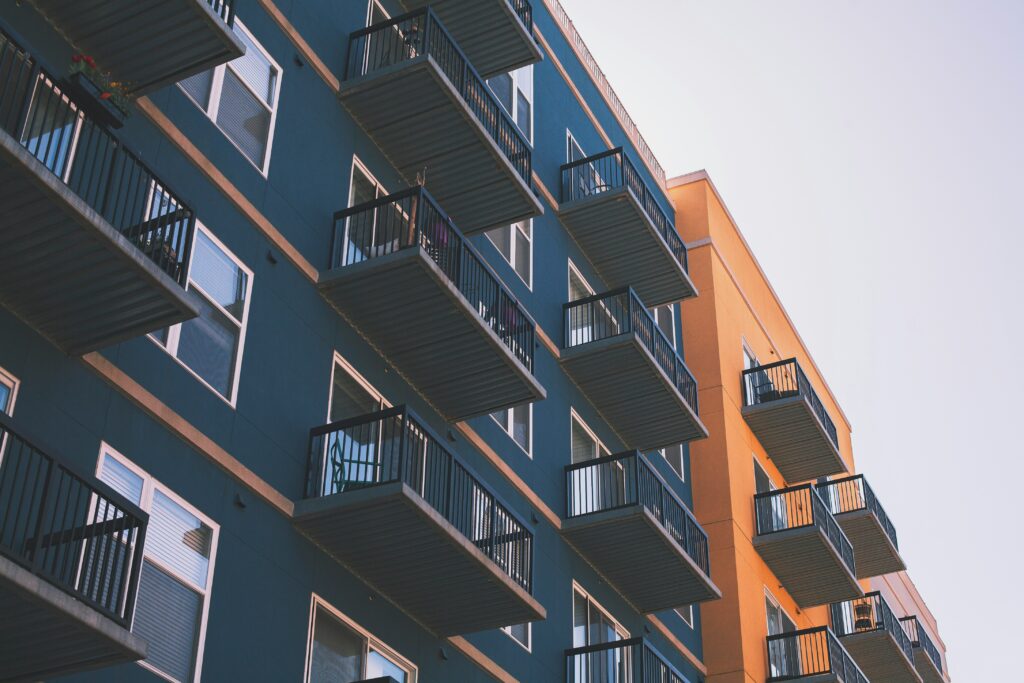
Real estate investment has always been a popular avenue for generating wealth. Over the years, investors have explored various types of properties and construction methods to maximize their returns. One particularly robust option is investing in real estate with concrete construction. Concrete has long been favored for its durability, energy efficiency, and resistance to natural disasters. This blog post will delve into the advantages of concrete construction in real estate investment, key considerations for investors, and trends shaping the future of this sector.
Advantages of Concrete Construction
Durability and Longevity
Concrete is renowned for its strength and longevity. Unlike wood, which can rot, or steel, which can rust, concrete structures are less susceptible to environmental damage. This durability translates to lower maintenance costs over the life of the property. For investors, this means more predictable expenses and potentially higher net operating income.
Energy Efficiency
Concrete buildings are more energy-efficient due to their thermal mass, which helps to maintain stable indoor temperatures. This can significantly reduce heating and cooling costs, making these properties more attractive to tenants who are increasingly seeking sustainable and cost-effective living and working spaces.
Resistance to Natural Disasters
Concrete’s resilience against natural disasters such as earthquakes, hurricanes, and floods makes it a safer and more secure investment. Properties constructed with concrete are more likely to withstand extreme weather events, which can mitigate the risks associated with property damage and insurance claims.
Fire Resistance
Concrete is non-combustible and can act as a fire barrier, providing additional safety for occupants and reducing the potential for fire damage. This fire resistance can also lead to lower insurance premiums, further enhancing the property’s attractiveness from an investment standpoint.
Key Considerations for Investors
Initial Costs vs. Long-Term Benefits
The initial construction costs for concrete buildings can be higher compared to other materials. However, investors should consider the long-term benefits, including lower maintenance costs, reduced energy bills, and potential insurance savings. A thorough cost-benefit analysis can reveal that concrete construction often leads to higher returns over time.
Market Demand
Investors should assess the demand for concrete buildings in their target markets. In areas prone to natural disasters or where sustainability is a significant concern, there may be a higher demand for concrete properties. Understanding local market trends and preferences is crucial for making informed investment decisions.
Regulatory Environment
Different regions have varying building codes and regulations that can impact the feasibility and cost of concrete construction. Investors should familiarize themselves with local regulations and ensure their projects comply with all relevant standards. Engaging with experienced contractors and consultants who understand these regulations can help streamline the process.
Financing Options
Securing financing for concrete construction projects can sometimes be challenging due to the higher upfront costs. However, many financial institutions recognize the long-term benefits and may offer favorable terms for well-planned projects. Investors should explore various financing options and work with lenders who understand the nuances of concrete construction.
Trends Shaping the Future of Concrete Construction in Real Estate
Sustainability and Green Building
The push for sustainability in real estate is driving innovation in concrete construction. Modern concrete production methods aim to reduce the material’s carbon footprint. For example, the use of supplementary cementitious materials (SCMs) like fly ash and slag can lower the environmental impact of concrete production. Additionally, advancements in carbon capture and storage (CCS) technologies are making it possible to create carbon-neutral concrete.
Investors who prioritize sustainability can benefit from these advancements by developing properties that appeal to environmentally conscious tenants and buyers. Green building certifications, such as LEED (Leadership in Energy and Environmental Design), can further enhance the marketability and value of concrete properties.
Prefabrication and Modular Construction
Prefabrication and modular construction techniques are gaining popularity in the real estate sector, including concrete construction. These methods involve manufacturing building components off-site in controlled environments and then assembling them on-site. This approach can significantly reduce construction time and costs while maintaining high-quality standards.
For investors, prefabrication and modular construction offer the potential for faster project completion and quicker returns on investment. Additionally, these methods can minimize disruptions to surrounding areas, which is particularly beneficial in urban settings.
Technological Advancements
Technological advancements are transforming the concrete construction industry. Innovations such as 3D printing of concrete structures and the use of self-healing concrete are pushing the boundaries of what is possible. 3D printing allows for the rapid and cost-effective creation of complex structures, while self-healing concrete can automatically repair cracks, extending the lifespan of buildings.
Investors who stay abreast of these technological developments can leverage them to create unique and resilient properties that stand out in the market. Collaborating with forward-thinking architects and engineers can help bring these cutting-edge solutions to life.
Urbanization and Infrastructure Development
The ongoing trend of urbanization is driving demand for robust infrastructure and housing in cities worldwide. Concrete construction is well-suited to meet this demand due to its strength, durability, and versatility. High-rise residential and commercial buildings, as well as essential infrastructure like bridges and highways, are increasingly being constructed with concrete.
Investors can capitalize on urbanization trends by focusing on projects that address the needs of growing urban populations. Mixed-use developments that combine residential, commercial, and recreational spaces are particularly attractive, as they offer diverse revenue streams and cater to the lifestyle preferences of modern city dwellers.
Conclusion
Investing in real estate with concrete construction offers numerous advantages, from durability and energy efficiency to resilience against natural disasters. While the initial costs may be higher, the long-term benefits often outweigh these expenses, leading to higher returns and more stable investments. By staying informed about market demand, regulatory environments, financing options, and emerging trends, investors can make strategic decisions that capitalize on the strengths of concrete construction. As the real estate industry continues to evolve, concrete construction remains a solid foundation for building a prosperous investment portfolio.